
The world of game development is an ever-evolving landscape, where technology meets creativity and innovation. Over the years, dedicated enthusiasts have captured their thoughts, insights, and experiences through blogs and articles, creating a rich archive of knowledge. In this exploration of the “Game Development Ramblings of a Gamer Archives,” the focus is on how game development has transformed, the tools that define it, the collaborative nature of the community, and what the future holds for aspiring developers. By delving into these themes, both seasoned professionals and newcomers can gain a deeper understanding of this dynamic industry.
The Evolution Of Game Development
Key Milestones In Game Development History
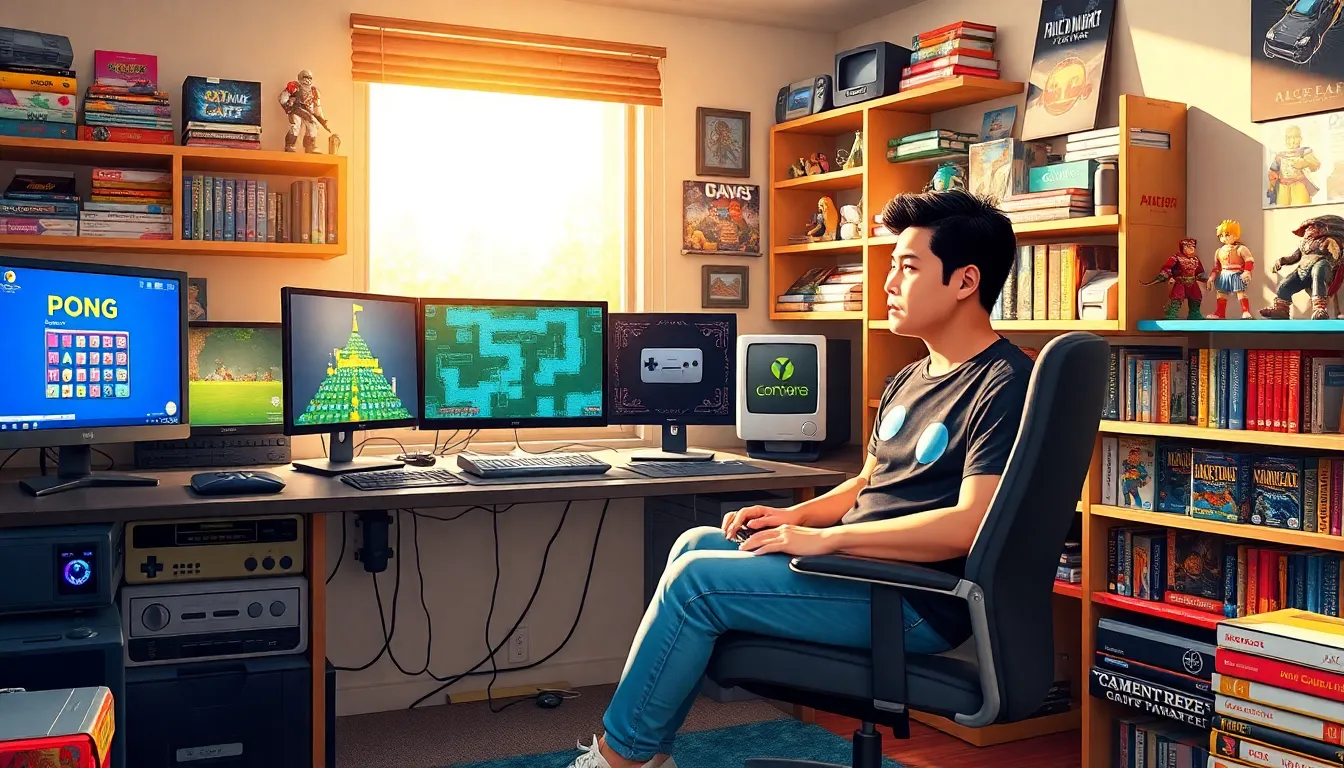
Game development has come a long way since the first video games graced our screens. The milestones in this history provide a fascinating glimpse into how the industry has evolved. Beginning in the 1950s with simple computer games like Tennis for Two, the journey took a significant turn in the 1970s with the advent of arcade games such as Pong and Space Invaders. The 1980s witnessed the rise of home consoles, bolstered by iconic titles like Pac-Man and the introduction of Nintendo’s Super Mario Bros in 1985, which set standards for platforming gameplay.
The 1990s were transformative, marked by the transition to 3D graphics. Titles like DOOM and Final Fantasy VII pushed technological boundaries, redefining player expectations. With the onset of the 2000s, online gaming emerged, shifting paradigms with games like World of Warcraft changing how players interact. In recent years, the rise of mobile gaming and indie development has democratized game creation, allowing individuals to share their visions across myriad platforms.
The Impact Of Technology On Game Design
Technological advancements have consistently dictated the direction of game design. From the pixelated visuals of early titles to today’s hyper-realistic graphics, the improvements in hardware and software have opened new avenues for creativity. Game engines like Unity and Unreal Engine exemplify this evolution, providing robust frameworks for developers to bring their ideas to life. Also, tools for AI, VR, and AR are beginning to reshape gameplay dynamics, making designs more immersive and interactive than ever before.
Popular Game Development Frameworks And Tools
Analyzing Game Engines: Unity Vs Unreal
Selecting the right game engine is crucial for developers, impacting everything from gameplay mechanics to design aesthetics. Unity, with its user-friendly interface and extensive asset store, is highly favored among indie developers. Its versatility allows for mobile, console, and PC games, catering to various genres. On the other hand, Unreal Engine, known for its stunning graphics and complex capabilities, appeals to AAA studios that demand high fidelity and intricate details. The choice between the two often comes down to project requirements, budget constraints, and the target audience.
Creating Games For Different Platforms
The proliferation of gaming platforms has further diversified development practices. From PC and consoles to the mobile market, developers must consider platform-specific limitations and opportunities. Cross-platform development tools like GameMaker Studio and Cocos2d have simplified this process, enabling creators to maximize reach without compromising on experience. As players move between devices, there is an increasing need for seamless gameplay interactions, driving developers to focus on optimizing their games across various environments.
Community And Collaboration In Game Development
The Role Of Indie Developers In The Industry
Indie developers have emerged as a significant force within the gaming industry, often leading the charge in innovation and creativity. Unlike large studios, they operate with fewer restrictions, allowing for experimental gameplay and unique storytelling approaches. Successful indie titles, such as Celeste and Hollow Knight, illustrate that passion over profit can yield outstanding results. Also, these developers foster a connection with their audience, often working closely with fans through feedback and updates.
Building A Supportive Game Development Community
The sense of community within game development is essential for growth and collaboration. Forums, social media groups, and local meet-ups provide invaluable platforms for sharing knowledge and resources. Initiatives like Game Jams promote teamwork and encourage developers to experiment with new ideas in a condensed time frame, fostering camaraderie while pushing creative boundaries. Platforms like Discord and Twitch have also become hubs for developers to engage with their audience, providing feedback, tutorials, and insights into the development process.
Future Trends In Game Development
The Rise Of Virtual Reality And Augmented Reality
As technology continues to advance, trends such as Virtual Reality (VR) and Augmented Reality (AR) are gaining traction in game development. These immersive experiences are not merely novelties: they create new ways for players to interact with their environment and narrative. Games like Beat Saber and the mobile phenomenon Pokemon Go showcase the potential of these technologies. The challenge for developers lies in crafting experiences that feel natural and engaging, capitalizing on the opportunities that VR and AR provide.
Emerging Technologies And Their Influence
Plus to VR and AR, technologies like machine learning and blockchain are starting to influence game development. Machine learning can personalize player experiences, adapt difficulty levels, and even create more intelligent NPCs, leading to enriched gameplay. Meanwhile, blockchain technology introduces new paradigms in digital ownership through non-fungible tokens (NFTs), allowing players to buy, sell, and trade in-game assets securely. These emerging technologies promise to reshape the industry landscape, presenting both exciting opportunities and unique challenges for future game developers.
Conclusion
Game development embodies a confluence of technology, creativity, and community. From its historical milestones to the tools and frameworks defining it today, the journey reveals an industry ripe with opportunity and innovation. As new trends such as VR, AR, and the use of AI emerge, the future promises to challenge and inspire developers in unprecedented ways. By understanding the past and present, aspiring game creators can navigate this thrilling landscape, foster connections within the community, and contribute their unique voices to the ever-expanding universe of gaming.