
In a world where reality often falls short of our dreams, virtual reality (VR) offers an escape that is both immersive and exhilarating. Imagine stepping into a new world, whether for gaming or training, without the hassle of packing bags or booking flights. It’s like living in a sci-fi movie, and businesses are hopping on this high-tech bandwagon. But here’s the catch, those dreams need a sturdy foundation built by a top-notch VR app development company. Buckle up as we investigate deep into the essential elements that make VR applications tick and how to choose the right partner in this brave new frontier.
Understanding Virtual Reality Technology
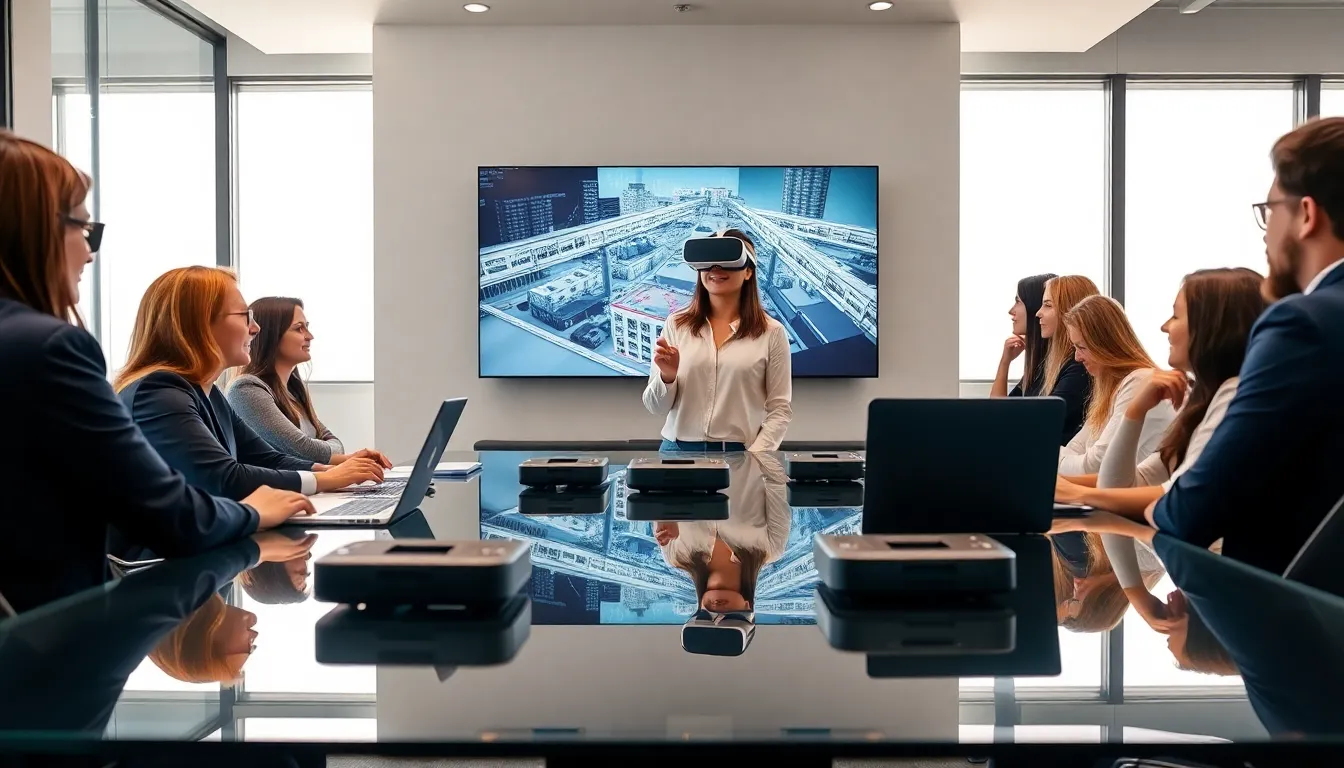
Virtual reality technology has evolved tremendously since its inception. At its core, VR creates a simulated environment that allows users to interact in a 3D space. Through VR headsets, users can explore worlds unbound by the constraints of physics or geography.
The magic happens through a combination of hardware and software that generates rich, immersive experiences. This includes motion tracking devices to capture users’ movements and software that brings the virtual world to life with stunning visuals and realistic sounds. It’s not just a fad, VR technology is laying the groundwork for the future of various industries.
Types of Virtual Reality Applications
Virtual reality applications have taken on various forms across multiple sectors. Here’s a look at some dominant types:
- Gaming and Entertainment: This is perhaps the most well-known application of VR. Gamers can immerse themselves in rich, interactive worlds.
- Education and Training: From medical simulations to flight training, VR provides a safe space for learning and skill development.
- Real Estate: Virtual tours have revolutionized how properties are marketed, allowing potential buyers to walk through a home without leaving their couch.
- Healthcare: Therapies and diagnostic procedures can be enhanced through simulations, improving patient care.
- Virtual Events: Especially relevant post-pandemic, VR facilitates interactive events that attract global participation.
Each type spotlights the versatility of virtual reality technology and its growing influence.
Key Considerations for Developing VR Apps
Building a successful VR app isn’t just about fancy graphics or soundtrack: many factors come into play:
- User Experience: Comfort and usability are paramount. Developers need to create experiences that don’t cause nausea or discomfort.
- Hardware Compatibility: Different VR headsets and devices have unique specifications. An ideal app must work seamlessly across various platforms.
- Performance Optimization: Lagging or stuttering can ruin an immersive experience. Ensuring smooth performance is essential for user retention.
- Content Relevance: Each VR app should provide value, whether in entertainment, education, or user engagement.
Choosing the Right Development Company
Selecting the right virtual reality app development company can make or break a project. Here are essential criteria:
- Portfolio: Review their past projects. A strong portfolio can showcase their experience and creativity.
- Expertise: Look for companies that specialize in VR and have a deep understanding of the latest technologies and trends.
- Client Feedback: Testimonials from previous clients often reveal how well a company collaborates and delivers on its promises.
- Post-launch Support: The relationship shouldn’t end at launch. A good development firm will offer ongoing support and updates, ensuring lasting quality.
Technologies Used in VR Development
Behind every successful VR application lies a complex web of technologies. Here’s a brief overview of some critical components:
- Game Engines: Unreal Engine and Unity 3D are popular choices that provide the tools required to develop immersive environments.
- 3D Modeling Software: Programs like Blender and Autodesk Maya help in creating the graphical elements of a VR experience.
- Motion Tracking Devices: Tools that track user movements enhance interaction and immersion, ensuring that the digital experience feels real.
- Networking Solutions: For multi-user environments, strong networking is essential for real-time interaction.
Understanding these technologies helps in crafting effective VR applications.
The Future of Virtual Reality Development
As technology evolves, so does the potential for virtual reality. Consider these trends that are shaping the future:
- Increased Accessibility: As hardware becomes cheaper and more user-friendly, expect VR to become standard in everyday applications.
- AI Integration: Combining artificial intelligence with VR can create smarter, more adaptive environments tailored to users’ preferences.
- Remote Collaboration: With the rise of remote work, VR can help a feeling of presence, making online meetings more engaging.
The future is bright, and as innovations unfold, businesses must stay ahead of the curve.