
Virtual reality production isn’t just about strapping on a headset and jumping into a fictional world. It’s an art form, a science, and a touch of magic rolled into one. Imagine creating spaces where users can interact, explore, and learn in ways that were once confined to the realm of dreams. From the bustling streets of a virtual city to the calm of an alien planet, the possibilities are endless. But before you immerse, it helps to understand the nuts and bolts of how this thrilling technology works. Let’s explore everything you need to know about crafting immersive experiences that will blow minds and not budgets.
Understanding Virtual Reality Technology
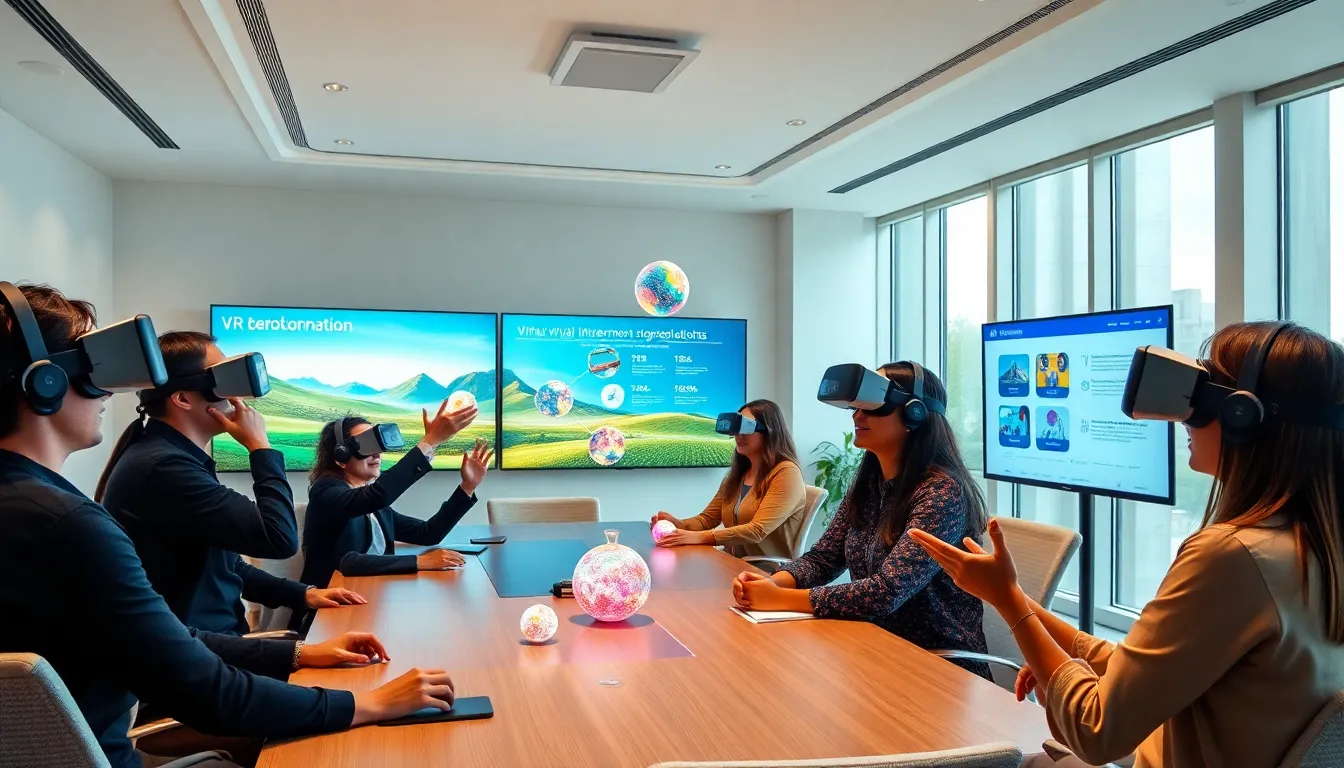
Virtual reality (VR) is a computer-generated simulation that lets users experience environments as if they were physically present. This technology blends hardware and software to create experiences that can be both interactive and engaging. At its core, VR aims to immerse the user fully within a digital environment, allowing them to look around, manipulate objects, and engage with their surroundings in ways that traditional media cannot achieve.
Most commonly, VR uses headsets equipped with displays, sensors, and audio systems, which work together to transport users into a virtual realm. The primary goal is to trick the brain into believing it is in a different place altogether. This magic happens through detailed graphics, spatial audio, and haptic feedback, making experiences feel real. As more industries adopt VR, for training, therapy, education, and entertainment, the understanding of this cutting-edge technology becomes essential.
Key Components of VR Production
For successful VR production, several key components must come together harmoniously.
- Hardware: This includes everything from powerful computers to VR headsets like the Oculus Rift, HTC Vive, or PlayStation VR. Hardware must be able to render high-quality graphics and maintain performance during complex interactions.
- Software: Various software platforms enable the creation of VR environments, including game engines like Unity and Unreal Engine. These tools let developers build immersive worlds with physics, lighting, and animations that enhance realism.
- Content: High-quality content is crucial in VR as it captures the user’s attention. This may include 3D models, animations, audio clips, and narratives that create compelling stories.
- User Interaction: The interactivity in VR is what often makes it stand out. Users should be able to engage with the environment via controllers or other input devices, allowing them to navigate and experience the setting uniquely and dynamically.
When these components are aligned, the result is an engaging and immersive VR experience.
Pre-Production Planning for VR Projects
Pre-production is critical for ensuring that a VR project runs smoothly from start to finish. It involves several steps:
- Concept Development: This is where the project starts. Defining the core idea and ensuring it aligns with the target audience helps set the direction for the project.
- Storyboarding: Just like traditional storytelling, VR requires a visual outline of scenes and interactions. Storyboards help visualize the flow of the experience and detail how users will engage with the environment.
- Budgeting and Scheduling: Developing VR can be resource-intensive. Ensuring that the budget covers all potential costs, technology, personnel, and marketing, is crucial for a successful project.
- Technical Planning: This involves deciding on the software tools, platforms, and hardware that will be used. Identifying any potential limitations during this phase can save time and headaches later on.
As with any creative project, solid pre-production planning can make or break the final output.
Production Techniques in Virtual Reality
When it comes to the production phase of VR, various techniques are employed to bring ideas to life:
- 360-Degree Video: This method captures real-world environments using multiple cameras and intersperses them into a seamless view that users can explore.
- 3D Modeling: Stunning visuals in VR often come from detailed 3D models. Software like Blender or Maya is commonly used to create lifelike representations of objects and characters.
- Motion Capture: For projects requiring human action, motion capture technology is increasingly used. Actors wear suits equipped with sensors that track their movements, translating their physical actions into the digital realm.
- Sound Design: Sound plays a crucial role in creating immersive experiences. Proper spatial audio can help users feel like they are truly in the environment, enhancing realism.
Combining these techniques can lead to productions that thoroughly engage users, making them feel like active participants in a living adventure.
Post-Production Processes in VR
Just as important as early stages, the post-production phase is where the project is refined and polished:
- Editing: This involves refining the video, audio, and interactive components. Using software like Adobe Premiere Pro and others specifically designed for VR can optimize the final product.
- Quality Assurance: Thorough testing on various hardware and user scenarios is vital. Here, the goal is to catch any bugs or shortcomings that could detract from the user experience.
- User Testing: Gathering feedback from real users can identify pain points and areas for improvement. Testing different demographic groups helps ensure a broader appeal.
- Deployment: Finally, the product is prepared for launch. This stage often involves marketing strategies and selecting platforms for distribution.
Challenges in Virtual Reality Production
With all its potential, VR production doesn’t come without its hurdles.
- High Costs: The expense involved in creating high-quality VR experiences is significant. From hardware to software licenses, the financial commitment can be daunting.
- Technological Limitations: Not every user has access to high-end hardware, and ensuring that experiences are accessible across various devices can be a challenge.
- User Experience Issues: Motion sickness and discomfort are common complaints among users. Designing VR experiences that are comfortable and easy to navigate is crucial.
- Content Development: Finding the right talent, be it programmers, artists, or writers, can sometimes be a tall order, especially as the demands for unique and engaging content grow.
Understanding these challenges allows creators to navigate the complex landscape of VR production effectively.
Future Trends in Virtual Reality Production
As technology evolves, so does the world of VR production. Key trends to watch for include:
- Expanded Accessibility: As platforms become more affordable, a broader audience will be able to access VR experiences. Making content available via smartphones and lower-end devices will enhance reach.
- Integration with AI: Artificial intelligence will play a significant role in personalizing user experiences. Imagine a VR world that adapts to individual preferences in real time.
- Hybrid Experiences: Combining augmented reality (AR) with VR creates intriguing possibilities. This blending will allow experiences where the real and digital worlds interact fluidly.
- Social VR: As social interaction becomes more prevalent in digital experiences, expect new platforms designed for group interactions in virtual environments, enhancing the communal aspect of VR.
These trends herald exciting advancements in how users experience virtual realities, making them richer, more interactive, and more engaging.