
In a world where art can be just a click away, virtual galleries are redefining how we experience creativity. Gone are the days of awkwardly shuffling through crowded exhibition halls. Now, art lovers can stroll through stunning displays in their pajamas, sipping coffee without a care in the world. Who knew that the future of art appreciation would come with a side of comfort?
Overview Of Virtual Galleries
Virtual galleries utilize online platforms to showcase art in a digital format. These galleries allow artists to display their work to a global audience, transcending geographical barriers. Art enthusiasts explore diverse collections from various cultures without the constraints of physical space.
Accessibility remains a significant advantage of virtual galleries. Users can view artwork at their convenience, often on multiple devices. High-quality images and interactive features enhance the experience, engaging viewers like never before.
Social media integration plays a crucial role in promoting virtual galleries. Artists and galleries share their exhibitions across platforms, attracting a broader audience. Engagement with followers fosters community, creating discussions around the artwork and artists.
Virtual reality (VR) technology adds another layer to the virtual gallery experience. Viewers immerse themselves in 3D environments, simulating actual gallery visits. This innovative approach allows for an interactive and unique exploration of art.
Furthermore, virtual galleries often host events such as artist talks and workshops. These live sessions enable direct interaction between viewers and creators, enriching art appreciation. Community participation helps build a sense of belonging among art lovers.
The flexibility of virtual galleries accommodates various art forms, including paintings, sculptures, and digital art. Curators can experiment with formats and presentation styles, providing fresh takes on exhibitions. Such versatility keeps the content dynamic and engaging for repeat visitors.
Virtual galleries redefine art appreciation by offering accessible, interactive, and diverse experiences. The evolution of technology continues to shape how individuals engage with art, paving the way for the future of creative exploration.
Benefits Of Virtual Galleries
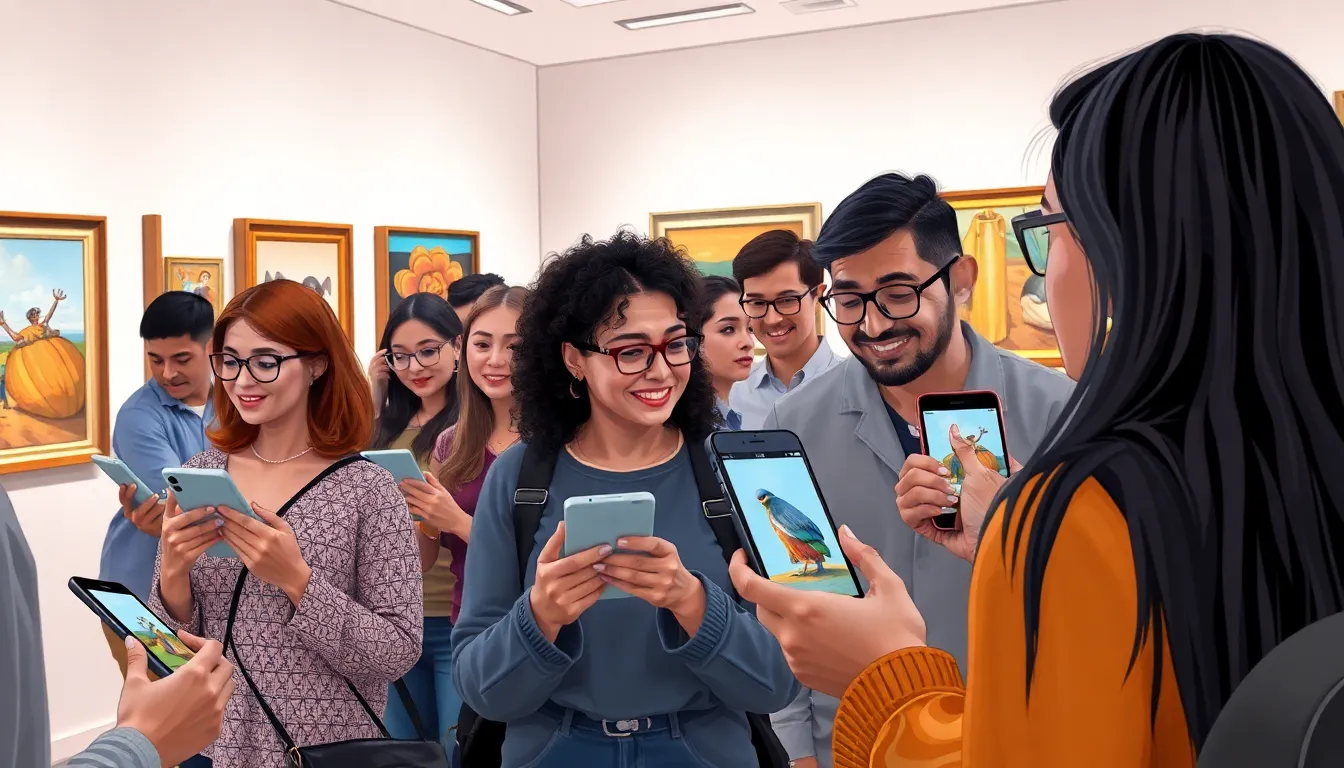

Virtual galleries enhance the experience of art appreciation through significant benefits. These advantages include accessibility, inclusivity, and cost-effectiveness.
Accessibility And Inclusivity
Accessibility showcases the core of virtual galleries. Users can view artwork anytime, anywhere, using various devices. Art enthusiasts appreciate the removal of geographical barriers, enabling them to explore collections from cultures across the world. Diverse groups engage with art, fostering inclusivity among individuals who might struggle to visit physical galleries. High-quality images and interactive features enhance user experiences, allowing for detailed examination of art pieces. Virtual galleries ensure everyone can enjoy art without limitations.
Cost-Effectiveness
Cost-effectiveness represents a vital advantage of virtual galleries. Artists save on exhibition costs compared to traditional gallery space rentals. Reduced expenses allow for a wider range of artworks to be showcased. Art lovers benefit from free or low-cost virtual experiences, making art accessible to more people. Virtual platforms eliminate travel costs, making it affordable for individuals to explore various collections. This cost-efficient model encourages more artists to participate, enriching the art scene and benefiting audiences with diverse offerings.
Technology Behind Virtual Galleries
Virtual galleries rely on advanced technologies to create engaging and accessible art experiences. These innovations enhance the way users interact with artwork, making appreciation more enjoyable.
Virtual Reality And Augmented Reality
Virtual reality (VR) and augmented reality (AR) significantly influence how art is experienced. VR immerses users in a digital environment, allowing them to explore galleries as if they were physically present. AR overlays digital information onto the real world, enabling interaction with artworks in a more personalized manner. These technologies create a unique blend of physical and digital interactions. Art lovers can view 3D models of sculptures and installations from their homes. Enhanced engagement through these immersive experiences fosters a deeper understanding and appreciation of the art.
3D Modeling And Animation
3D modeling and animation play critical roles in virtual galleries. Artists create lifelike representations of their works, allowing for detailed exploration from various angles. This capability transforms the viewing experience, offering insights often missed in traditional formats. Animation can bring still artworks to life, highlighting intricate details and artist techniques. Users engage with art dynamically, prompting curiosity and discussion around the pieces. The incorporation of these technologies thus enhances accessibility and invites a broader audience to explore diverse collections.
Popular Virtual Galleries
Virtual galleries showcase a diverse array of artworks, representing established institutions and emerging artists. These platforms redefine how audiences engage with creativity.
Established Institutions
Renowned institutions like the Louvre, MoMA, and the British Museum offer virtual tours that feature extensive collections. Users can explore famous artworks in high resolution, allowing for detailed examination of textures and colors. Interactive features, including audio guides and expert commentary, enhance the learning experience. Museums often host themed exhibitions, showcasing specific eras or movements, enabling viewers to appreciate art contexts easily. Such platforms also join forces with educational programs to broaden outreach and accessibility, ensuring art appreciation reaches wider audiences.
Emerging Artists And Platforms
New platforms like Artsy and Saatchi Art focus on highlighting emerging artists globally. Virtual galleries host interactive showcases, allowing artists to present their work directly to collectors and enthusiasts. Users find fresh perspectives on contemporary art through regular online exhibitions, which often include chats and Q&A sessions with creators. These platforms streamline the buying process, making it simple for art lovers to acquire unique pieces. Moreover, social media integration amplifies exposure, connecting artists with potential audiences while fostering community dialogue around their work.
Future Of Virtual Galleries
Innovation continues to pave the way for the future of virtual galleries. Accessibility becomes even more refined, allowing art enthusiasts to engage with diverse collections effortlessly. As technology advances, user experience will improve, making interactions with artwork more immersive and enjoyable.
Artificial intelligence (AI) plays a pivotal role in curating personalized art experiences. Algorithms can analyze user preferences, facilitating tailored recommendations that enhance exploration. Emerging tools enable curators to create dynamic presentations, shifting the focus toward interactive engagement.
Social media integration contributes significantly to community building. Artists and viewers can connect on platforms, fostering discussions about artworks and creations. Engagement through live virtual events may grow, allowing for real-time artist interactions, discussions, and workshops.
Virtual reality (VR) holds the potential to redefine immersive experiences. Future developments could amplify realism, enabling users to navigate through 3D environments that mimic physical galleries. Enhanced VR experiences might include sensory elements, offering sounds and textures to deepen immersion.
Augmented reality (AR) technologies will likely expand viewing options. Users may utilize AR features to overlay digital art in their physical spaces, creating unique viewing contexts. Such juxtaposition allows for personal connections with artwork and encourages creativity beyond traditional boundaries.
Cost-effectiveness becomes increasingly important as virtual galleries evolve. Reduced operational costs promote inclusivity, making art accessible for both artists and audiences. Emerging artists can find platforms that support showcasing their work with minimal financial barriers.
Virtual galleries stand poised to become vital components of the art world. Janus-faced, they connect the past of art appreciation with future possibilities that inspire creativity. Evolution in virtual galleries suggests that art lovers and creators alike will continue to find innovative ways to enjoy and share art globally.
Virtual galleries are revolutionizing the way art is experienced and appreciated. By breaking down geographical barriers and providing accessible platforms for both artists and art lovers, they create a more inclusive environment. The integration of advanced technologies like VR and AR enhances interaction and engagement, making art more dynamic and immersive.
As these digital spaces continue to evolve, they promise to reshape the future of art appreciation. With the potential for personalized experiences and community building through social media, virtual galleries are set to play an essential role in connecting diverse audiences with creativity. The art world is embracing this transformation, paving the way for a vibrant future that celebrates innovation and accessibility.