
Imagine robots capable of navigating through the harshest terrains, whether it’s a muddy construction site, a rocky mountain, or even the deep depths of the ocean. This isn’t a plot twist from a sci-fi movie but the fascinating reality of rugged robotics. These machines are revolutionizing industries by blending resilience with remarkable technology. Buckle up as we explore how rugged robots are not just surviving but thriving in environments that would make most machines cry.
Understanding Rugged Robotics
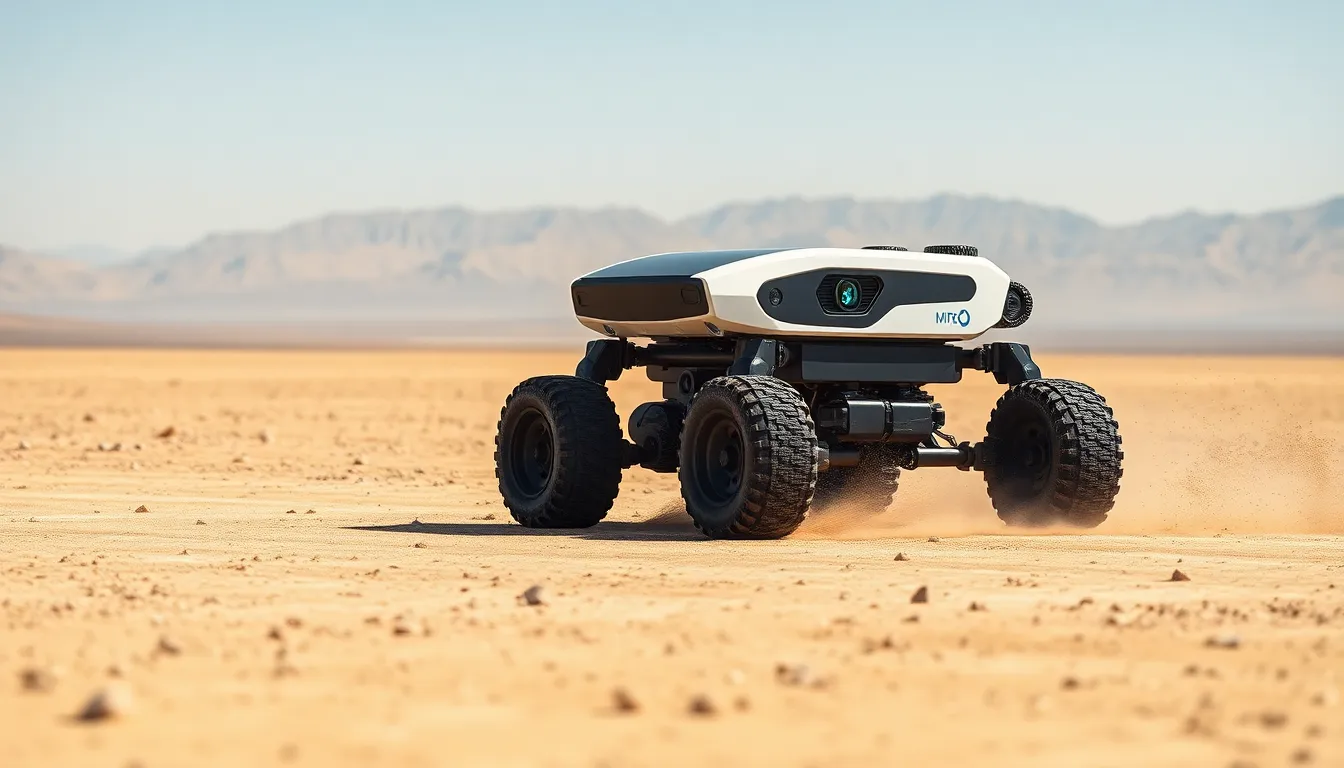
Rugged robotics refers to the design and application of robots specifically built to endure extreme conditions. Think of environments that challenge not just their operational capabilities but their very existence. These include dusty desert landscapes, icy tundras, and disaster-stricken areas where stability is a luxury. While traditional robots function effectively in controlled environments, rugged robots venture into unpredictability. They’re engineered with robustness in mind, featuring materials and designs that withstand shocks, vibrations, and temperature fluctuations. Also, the autonomy of these machines enables them to operate with minimal human intervention, proving essential in scenarios where human presence could be risky.
Key Features of Rugged Robots
Rugged robots are distinguished by several key features that set them apart from their more delicate counterparts:
Durability
The most apparent characteristic is their durability. Manufacturers often use materials like high-strength alloys or carbon fiber composites, allowing these machines to bear heavy loads without crumbling under pressure.
Autonomous Navigation
Equipped with advanced sensors and AI algorithms, rugged robots can navigate complex terrains without human guidance. They rely on GPS, LiDAR, and cameras to map their surroundings and make informed decisions.
Energy Efficiency
Battery life matters. These machines are designed for efficiency. Their systems optimize energy usage so they can operate longer without needing a recharge, a crucial factor in remote locations.
Versatility
From drones flying over disaster zones to ground vehicles scanning agricultural fields, rugged robots can adapt to numerous applications. Their modular designs often allow for various attachments, making them extraordinarily versatile.
Applications of Rugged Robotics
Rugged robotics is finding its way into various sectors, showcasing just how indispensable these machines can be. Here are some prominent applications:
Construction
In construction, rugged robots are utilized for tasks like surveying and material transport. They navigate uneven ground and avoid hazards, significantly speeding up project timelines and enhancing safety.
Agriculture
Farmers use rugged robots for tasks such as soil analysis, planting, and even harvesting. These machines can work longer hours without fatigue and operate in tough weather conditions that would hinder human workers.
Disaster Response
Rugged robots play a vital role in disaster recovery. They assess damage, locate survivors, and even deliver medical supplies in areas that are otherwise inaccessible due to debris or hazardous conditions.
Military and Defense
The military employs rugged robots for reconnaissance and surveillance missions. These robots can operate in hostile environments, providing valuable intelligence without endangering human lives.
Technological Innovations in Rugged Robotics
The realm of rugged robotics is continuously evolving, driven by technological advancements. Some of the most exciting developments include:
Enhanced AI Capabilities
Artificial intelligence enhances robotic decision-making processes, allowing rugged machines to adapt to unforeseen challenges in real-time. As AI improves, these robots will be able to make decisions that would traditionally require human judgment.
Advanced Sensor Technology
Next-gen sensors are making it easier for rugged robots to gather data on their surroundings. Thermal imaging, multi-spectral sensors, and high-resolution cameras enable these machines to navigate and recognize objects in varying conditions.
Challenges in Rugged Robotics Implementation
Even though their potential, rugged robotics face several challenges that manufacturers and end-users must navigate:
Cost
Developing rugged robots can be expensive. The materials and technology involved often lead to higher costs, which can deter some companies from investing.
Technical Complexities
Ensuring reliability and functionality in harsh environments requires complex engineering. Manufacturers need to continually invest in research and development to refine their designs and keep up with competitive tech advancements.
Regulatory Hurdles
As rugged robots become more common, regulations will need to evolve. Adhering to safety and performance standards is crucial, especially in public spaces.
The Future Outlook for Rugged Robotics
The future of rugged robotics is bright. As more industries see the benefits of deploying these machines, investments in development will likely surge. Expect to see advancements such as:
Improved Battery Technology
Innovations in battery technology will lead to longer operational times and quicker charging solutions, making rugged robots an even more viable option for various applications.
Greater Autonomy
Future rugged robots may function with even less human input, thanks to continued improvements in AI and machine learning. This will enhance their efficiency and adaptability in unpredictable environments.