
In a world where robots are no longer just the stuff of sci-fi dreams, robotics libraries are stepping into the limelight. These treasure troves of code and resources empower developers to create everything from quirky drones to sophisticated humanoids. Imagine a toolkit that makes building a robot as easy as assembling IKEA furniture—minus the confusing instructions and leftover screws.
Robotics libraries provide the backbone for innovation, offering pre-built algorithms and frameworks that save time and sanity. They’re like the Swiss Army knife for roboticists, turning complex tasks into child’s play. Whether you’re a seasoned engineer or a curious newbie, diving into these libraries can transform your robotic aspirations into reality. So buckle up and get ready to explore the fascinating world of robotics libraries, where the only limit is your imagination (and maybe your Wi-Fi connection).
Overview of Robotics Libraries
Robotics libraries serve as vital tools for developers, enhancing the efficiency of building robotic systems. By offering pre-built algorithms, they enable users to focus on application rather than low-level programming. Many developers rely on these libraries to tackle complex tasks, saving time and effort during the development process.
Common libraries in robotics include Robot Operating System (ROS), OpenAI Gym, and PCL (Point Cloud Library). ROS provides a flexible framework for writing robot software, facilitating communication between different components. OpenAI Gym specializes in reinforcement learning environments, essential for training and testing AI in robotic applications. PCL offers algorithms and data structures focused on processing 2D and 3D point clouds, frequently utilized in perception tasks.
Developers can easily incorporate these libraries into their projects. Integration allows for rapid prototyping, letting them test various functionalities without starting from scratch. Specific functionalities, such as vision processing, motion planning, or machine learning, enhance the overall capabilities of robotic systems.
Furthermore, community support strengthens the relevance of these libraries. Engaging forums and documentation provide assistance, ensuring users gain insights and solutions for common problems. Contributions from developers foster continuous improvement, making libraries more robust and user-friendly.
By simplifying intricate processes, robotics libraries democratize access to advanced robotics development. Their ongoing evolution reflects the growing demand for innovative robot applications across numerous industries. Developers can harness these resources to transform ideas into reality, driving change in robotics.
Popular Robotics Libraries
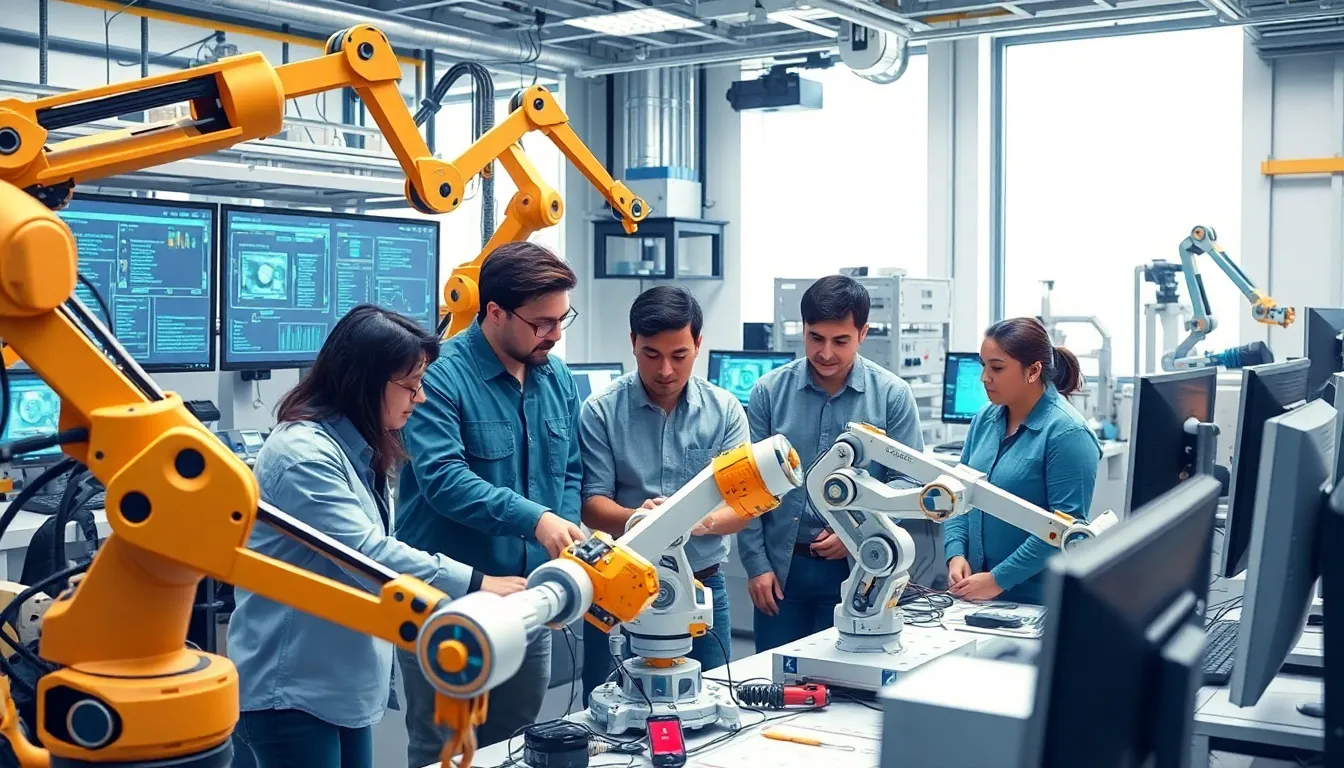
Robotics libraries serve as essential tools for developers, providing resources that streamline various tasks in robotics. Some notable libraries have gained prominence in this field.
ROS (Robot Operating System)
ROS stands as a flexible framework for writing robotic software. It offers a collection of tools and libraries that simplify the development and integration of complex robotic systems. With built-in support for numerous programming languages, developers can easily access various functionalities such as message-passing, device drivers, and simulation environments. Its strong community guarantees consistent updates and extensive documentation, ensuring that users can find solutions to challenges they encounter. Integrating ROS into projects enhances capabilities significantly, especially in applications that require robust communication between components.
OpenCV (Open Source Computer Vision Library)
OpenCV specializes in real-time computer vision tasks and image processing. Developers can leverage it for facial recognition, object detection, and video analysis, making it a versatile choice for robotics applications. This library provides pre-built algorithms and comprehensive functionality for handling images and video streams efficiently. Its wide range of applications in robotics enhances navigation, visual perception, and human-robot interaction. Active community support enables continual development, ensuring that new features and improvements consistently emerge, helping developers stay at the forefront of computer vision technology.
PCL (Point Cloud Library)
PCL focuses on processing three-dimensional point cloud data generated by 3D sensors. It provides a variety of algorithms for filtering, feature estimation, and surface reconstruction. Users can perform tasks such as object recognition, scene reconstruction, and segmentation with minimal effort. The library supports various formats and integrates well with other software tools, allowing developers to create comprehensive robotic systems. Continuous advancements within PCL cater to diverse user needs, ensuring that it remains a vital resource for those working on 3D perception in robotics.
Benefits of Using Robotics Libraries
Robotics libraries offer significant advantages for developers in the field by streamlining projects. With their tools and frameworks, these libraries decrease development time dramatically.
Time Efficiency
Developers save time by utilizing pre-built algorithms in robotics libraries. Efficiency in prototyping increases as complex tasks become more manageable through ready-to-use solutions. Tasks such as simulation, navigation, and perception require less programming from scratch. This approach allows engineers to focus on innovation and experimentation rather than getting bogged down in basic coding. Additionally, libraries like ROS provide extensive resources that facilitate quicker debugging and testing processes. Developers can leverage these resources to accelerate the creation of functional robots.
Community Support
Community support enhances the value of robotics libraries significantly. Many libraries host vibrant forums where developers share experiences and solutions. Interaction with peers fosters collaboration, leading to knowledge sharing and improved problem-solving approaches. Documentation often includes tutorials, best practices, and troubleshooting tips, aiding both novices and experts alike. Regular updates and contributions from the community keep libraries relevant and technologically advanced. Engaging with the community provides developers access to a wealth of information and collective expertise, further enriching the development experience.
Challenges in Robotics Libraries
Challenges arise in the use of robotics libraries, impacting developers’ experiences. Addressing these issues enhances the effectiveness of such resources.
Compatibility Issues
Compatibility issues often hinder the integration of robotics libraries into existing systems. Different libraries might utilize varying programming languages, frameworks, or hardware requirements, complicating compatibility. Developers frequently face challenges when attempting to combine libraries, which can create conflicts and bugs. Ensuring smooth operation across diverse platforms becomes essential, as it helps avoid unnecessary delays during development. Regular updates from library maintainers can mitigate some of these issues, but complete resolution often remains elusive. Newer versions may not always align with older dependencies, creating further integration difficulties.
Learning Curve
The learning curve associated with robotics libraries can pose a significant barrier for newcomers. While many libraries offer extensive documentation, mastering the concepts may still require considerable time. Beginners often find themselves overwhelmed by the multitude of functions and features available. As a result, self-directed learners might struggle to effectively leverage these tools without proper guidance. Mentorship and community resources play a crucial role in alleviating this challenge. Engaging with forums and tutorials enables smoother onboarding, ultimately improving the development experience. Familiarity with library concepts reduces the time spent on basic tasks, allowing developers to focus on their projects.
Future Trends in Robotics Libraries
Emerging technologies in robotics libraries highlight significant advancements shaping the future. Increased integration of artificial intelligence enhances the capabilities of existing libraries. For instance, AI-driven algorithms streamline tasks like navigation and object recognition, allowing developers to create more intelligent systems.
Open-source initiatives keep expanding, fostering innovation among developers. Enhanced collaboration leads to faster problem-solving and the development of new features. More libraries will emerge, tailored for specific industries, such as healthcare or agriculture, responding to unique needs.
Cloud-based robotics libraries are gaining popularity, offering scalability and remote access advantages. With cloud solutions, developers can deploy robots without the constraints of local hardware limitations, thus facilitating collaboration across geographies. More contributors can also access tools regardless of their location.
Standardization efforts among libraries contribute to more seamless integration. Common interfaces simplify compatibility issues, making it easier for developers to combine functionalities from various libraries. Improved interoperability will enhance the overall efficiency of robotics projects.
Focus on security increases as deployment in critical environments rises. Developers are prioritizing robust security measures within libraries to prevent exploitation and ensure data protection. This trend leads to better practices for software development standards.
Lastly, educational resources linked to robotics libraries will expand. More tutorials, online courses, and community-led workshops aid newcomers in understanding complex concepts more effectively. Enhanced support will lower barriers to entry, ultimately cultivating a new generation of roboticists.
Robotics libraries are transforming the landscape of robotics development. By simplifying complex tasks and providing essential tools, they empower developers at all skill levels to innovate and create. The integration of artificial intelligence and cloud-based solutions is paving the way for smarter and more collaborative systems.
As the field continues to evolve, the importance of community support and educational resources cannot be overstated. Engaging with forums and tutorials will help newcomers overcome challenges and unlock the full potential of these libraries. With creativity as the only limit, the future of robotics holds exciting possibilities for those ready to explore.