
Imagine stepping into a world where your wildest escape room dreams come to life, all from the comfort of your living room. That’s the magic of escape room virtual reality (VR). More than just a fun hashtag, this cutting-edge technology is transforming the way people engage with puzzles and challenges. Whether you’re a novice or a die-hard escape room aficionado, VR is not just a gimmick: it’s a thrilling leap into immersive storytelling that’s guaranteed to keep you on your toes. Buckle up, because this journey through the labyrinth of virtual reality is about to begin.
What Is Virtual Reality in Escape Rooms?
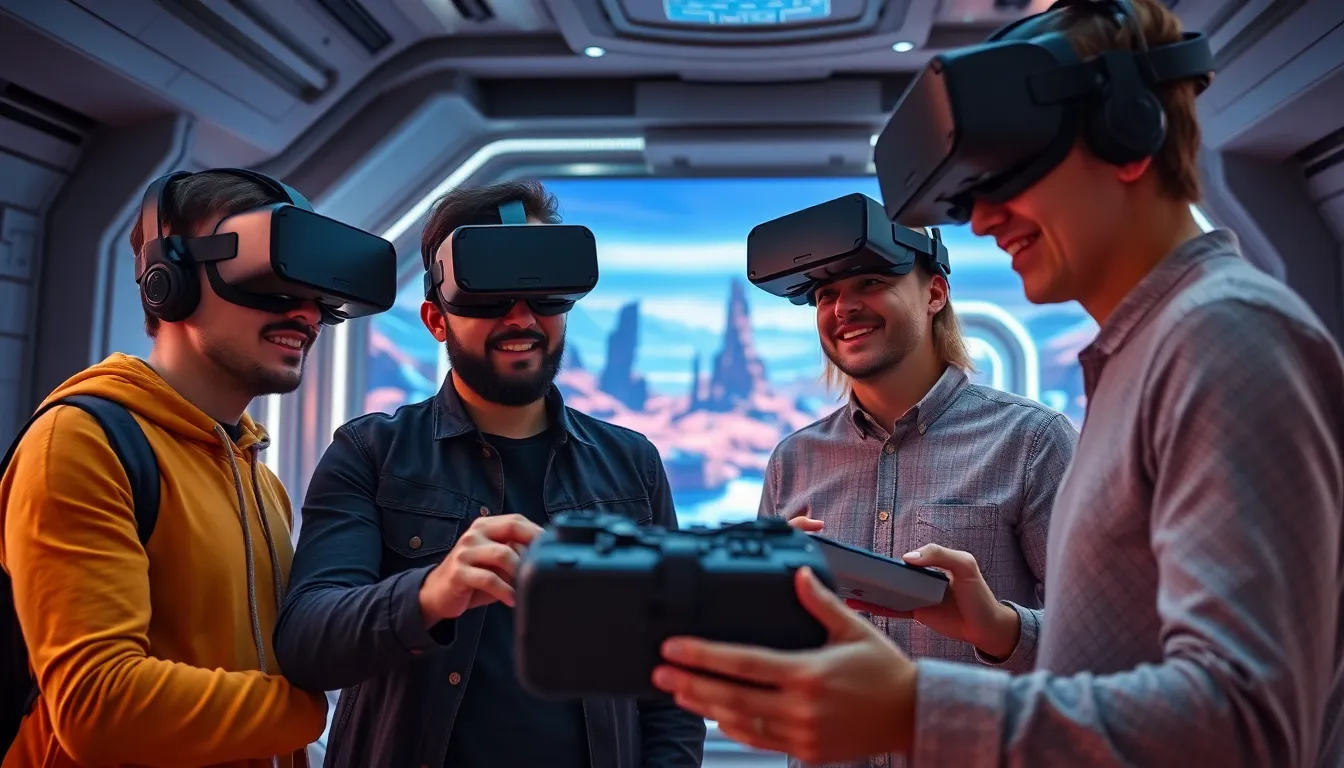
Virtual reality in escape rooms combines physical and digital realms to create an immersive puzzle-solving experience. In this setup, participants wear VR headsets that transport them into a meticulously crafted virtual environment. This environment can range from a creepy haunted mansion to a futuristic spaceship, each filled with clues, locked doors, and mysterious characters. The beauty lies in the blend of real-world interactions with lifelike sensations and visuals, making every escape feel uniquely engaging. Think of it like a video game where you become the main character, and your success depends on teamwork, problem-solving, and a dash of bravery.
History and Evolution of Escape Rooms
The concept of escape rooms emerged in the early 2000s, originating in Japan as real-life adventure games. They gained immense popularity, spreading quickly across Asia and, eventually, Western countries. Traditional escape rooms focused on physical puzzles and limited storytelling, providing an engaging but somewhat static experience. Enter virtual reality. With advances in technology, escape rooms evolved, adding an interactive layer that captivates participants in ways that physical rooms could not. Now, VR can craft dynamic scenarios where the outcome hinges on participants’ choices. Each decision reverberates through the virtual world, ensuring no two experiences are ever identical.
Benefits of Virtual Reality Escape Rooms
One of the primary benefits of virtual reality escape rooms is their limitless potential for creativity. Designers can create complex narratives and intricate puzzles that would be impossible in a physical setting. Accessibility is another major plus. Anyone, regardless of mobility or physical constraints, can join the fun, eliminating barriers typical of traditional escape rooms. Also, VR allows for flexible group sizes: whether a duo or a larger team, participants can enjoy the challenge without crowding a confined space. Plus, the element of complete immersion helps players stay engaged and focused, creating memorable experiences that often extend beyond the game.
How Virtual Reality Escape Rooms Work
In a VR escape room, users don a headset and usually hold controllers that enable them to interact with the environment. Once inside, the participants can see a 360-degree view, letting them observe every nook and cranny. They’ll find objects to manipulate, puzzles to solve, and mysteries to unravel. Audio cues enhance immersion by providing sound effects and narration, guiding players and enriching the storytelling experience. Teams often have a set time limit to escape, igniting a sense of urgency that makes the adventure even more exhilarating. It’s not just a game: it’s an adventure that feels carefully tailored to every user.
Popular VR Escape Room Experiences
Several standout VR escape rooms have gained stellar reputations among enthusiasts. One of the top contenders is “The Escape Hunt Experience,” renowned for its intricate plotting and immersive gameplay. Another favorite is “VR Escape Room” featuring mind-bending puzzles that transport users into historical settings rich in context. For those who crave a thrilling scare, “The Haunted House VR” promises chills and excitement, combining horror elements with challenging escape scenarios. Each of these rooms showcases the versatility of VR technology while providing unique narrative-driven experiences. So, whether participants seek mystery, adventure, or fright, the choice of VR escape room is vast.
Tips for Enjoying Virtual Reality Escape Rooms
To enhance the experience, a few tips can make all the difference. First, teamwork is essential: communicating clearly with team members can dramatically impact success. Next, take a moment to explore the virtual space thoroughly. Often, puzzles are cleverly hidden, and failure to look closely might mean missing vital clues. It’s also wise to remember that patience is key: getting frustrated can cloud judgment. Finally, be prepared for surprises. Virtual reality can introduce unexpected twists and turns, making problem-solving even more exciting. Embrace the challenges, and enjoy the ride.
The Future of Escape Rooms and VR Technology
Imagine entering a world where physical and digital realities meld seamlessly. The future of escape room technology points toward even more interactive experiences through advancements in haptic feedback and artificial intelligence. Haptic technology could enable players to feel virtual objects, adding an unprecedented level of realism. As AI evolves, NPCs (non-playable characters) within these games will offer adaptive challenges, becoming smarter and more responsive to player actions. This evolution not only increases engagement but creates a new dimension of narrative storytelling. As more players realize the thrill of virtual escape rooms, the landscape of entertainment will continue to shift dramatically.