
Imagine slipping on a headset and being transported to the vibrant streets of Tokyo, all while sitting comfortably in your living room. Virtual reality (VR) is more than just a thrilling escape: it’s a melting pot of creativity and technology that reshapes how we interact with the world. Whether diving into immersive games or embarking on a virtual training session, VR is revolutionizing various sectors. In this exploration of virtual reality applications, we’ll uncover fascinating experiences that extend far beyond gaming, so buckle up.
Overview of Virtual Reality Technology
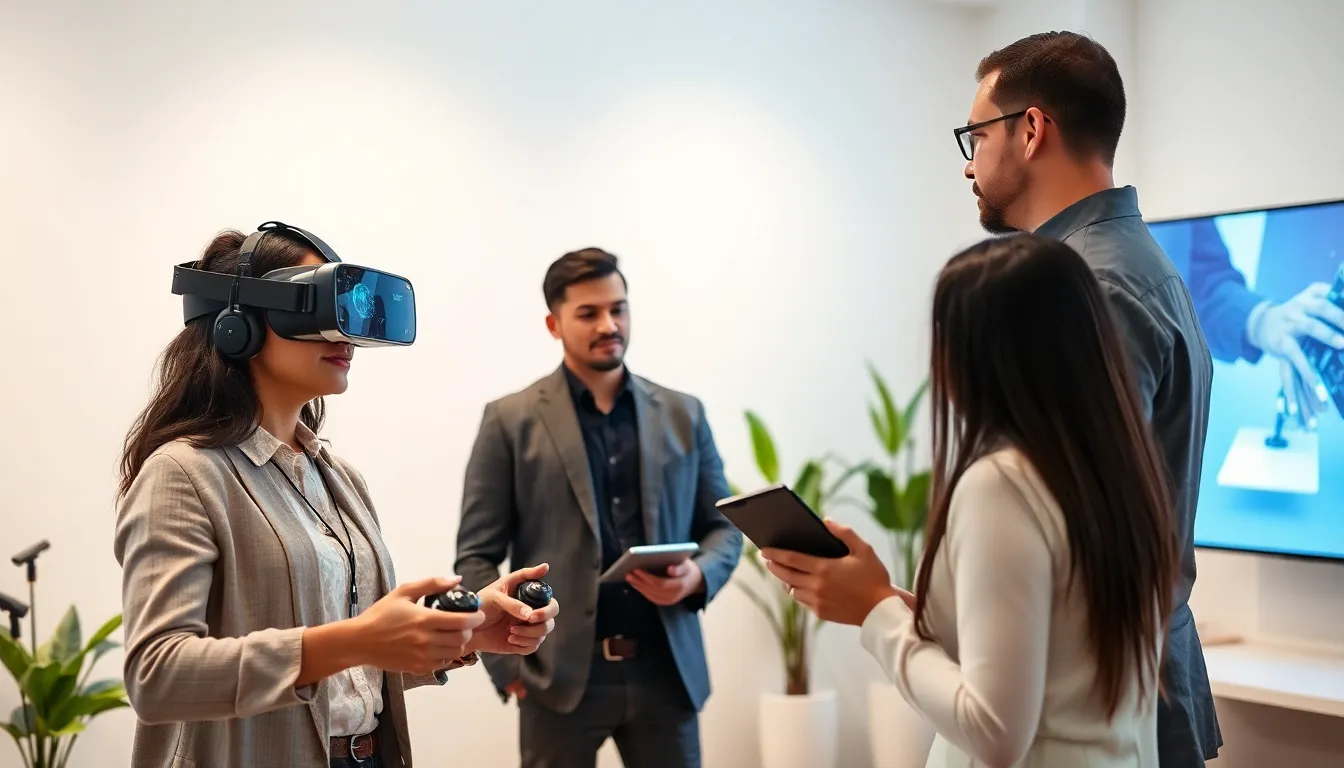
Virtual reality technology offers users an immersive experience that engages multiple senses. At its core, VR uses devices such as headsets and hand controllers to create a simulated environment, allowing users to interact with digital elements as if they were physically present in that space.
The Role of Immersion and Interaction
Immersion plays a pivotal role in making VR feel realistic. Through head tracking, high-resolution displays, and spatial audio, users can feel enveloped by their virtual surroundings. Interaction enhances this feeling: for example, when a user picks up an object in VR, their brain interprets that action as real. This seamless blend of immersion and interactivity not only captivates users but also opens up endless possibilities for various applications.
Types of Virtual Reality Experiences
The versatility of virtual reality is astounding. From thrilling games to practical applications in education and healthcare, each experience stands out in its way.
Gaming and Entertainment
While gaming often tops the list of VR experiences, it is just the tip of the iceberg. Players can step into alternate realities, ensuring a level of engagement previously unseen. Titles like “Half-Life: Alyx” showcase how players navigate detailed environments and make choices that affect gameplay directly.
Education and Training
Imagine medical students practicing surgeries without any real-life risk. VR allows for simulated training environments where learners can refine their skills in a controlled setting. This not only enhances their confidence but also prepares them better for real-world situations.
Healthcare and Therapy
In the sphere of healthcare, VR is proving invaluable for therapy and rehabilitation. Some therapeutic practices use VR environments to help patients confront phobias or manage pain, providing a distraction during treatment. Research indicates that immersive experiences can significantly lessen anxiety and discomfort.
Real Estate and Architecture
Virtual reality is transforming how real estate and architecture showcase properties. Potential buyers can take virtual tours through houses and apartments, allowing them to visualize spaces from the comfort of their couches. Architects can also present their designs in virtual environments long before actual construction begins.
Advantages of Virtual Reality Applications
The benefits of virtual reality applications extend beyond mere entertainment. They incorporate robust advantages tailored to various industries.
Enhanced Learning and Engagement
VR captures the attention of users more effectively than traditional methods. In educational settings, for instance, learners can directly engage with content, leading to better retention and understanding. The experience of physics through VR becomes an adventure rather than a lecture, which captures students’ imaginations.
Cost-Effectiveness and Efficiency
Investing in VR technology can yield cost savings over time. For businesses that require training, VR reduces expenses associated with travel and equipment. Instead of sending employees to training sessions or workshops, a virtual program can deliver similar outcomes far more efficiently. In industries like construction or aviation, this translates to better-trained employees who are more prepared for real-world challenges.
Challenges and Limitations
Even though its potential, virtual reality is not without its pitfalls. Understanding these challenges is crucial for its continued development.
Technology Barriers
Adoption of VR often hinges on the accessibility of technology. High-quality VR headsets can be expensive, putting them out of reach for many users. Also, the demand for powerful computers to run VR applications creates another layer of financial barrier, limiting broader access.
User Adaptation and Acceptance
While immersive experiences can be captivating, some users may struggle with adapting to this new technology. Motion sickness and discomfort can deter potential users, making it essential for developers to prioritize user comfort and accessibility. Education on VR might encourage more acceptance and adaptation, fostering a user base ready to explore the wonders of virtual reality.
Future Trends in Virtual Reality
The horizon of virtual reality is brimming with exciting possibilities. As technology and industries evolve, VR will emerge as an increasingly essential tool.
Emerging Industries and Applications
From virtual tourism to live concerts, new applications of VR are springing up every day. Companies are exploring ways to blend augmented reality and VR for hybrid experiences that cater to diverse audiences. The entertainment industry alone shows tremendous potential for integrating VR elements into mainstream media.
Advancements in Technology
As technology advances, so too does VR. Innovations in graphics, processing power, and user interfaces promise to create experiences that feel even more lifelike. Future developments will likely focus on improving accessibility and reducing costs, paving the way for wider adoption across sectors.