
In a world where robots can assemble toys, pour your morning coffee, and even navigate your living room without bumping into furniture, one name is starting to stand out: Onward Robotics. It’s not just another tech company riding the automation wave, but a trailblazer that’s redefining how we think about robotics. Ever wondered how robots are becoming the unsung heroes in various industries? Jump into this exploration of Onward Robotics and uncover the fascinating innovations that are transforming our lives, one robot at a time.
Overview of Onward Robotics
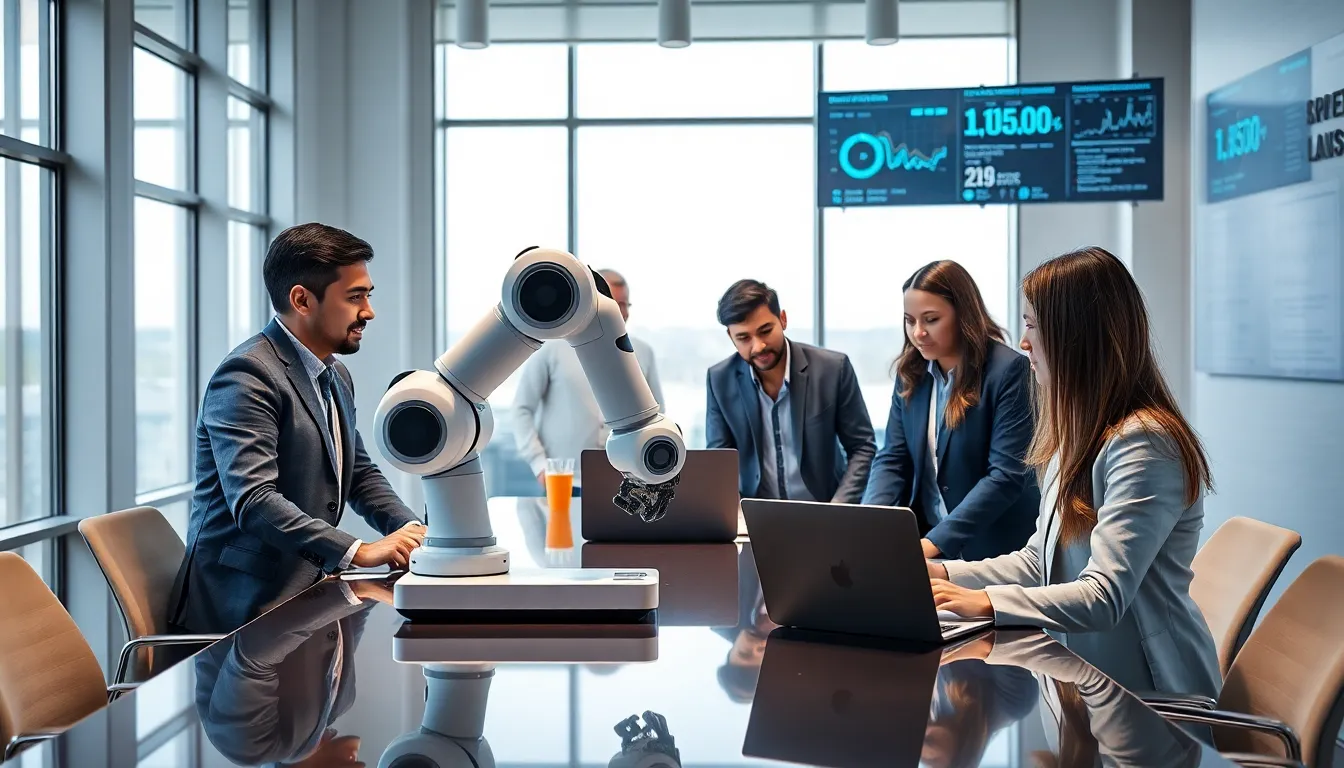
Founded with the vision of enhancing productivity through automation, Onward Robotics has quickly become a key player in the robotics field. The company specializes in developing intelligent, adaptive systems that work seamlessly alongside human operators. With headquarters rooted in innovation, Onward Robotics embraces a forward-thinking approach where machines and humans can collaborate rather than compete.
Their philosophy centers on creating robots that are not just tools but partners in various tasks. By focusing on user-friendly designs and systems that can learn and adapt to their environments, they ensure that robotics fit naturally into the daily operations of businesses. This drives home their commitment to improving efficiency and safety in workplaces, eventually pushing boundaries to where machines can go.
Key Technologies and Innovations
At the heart of Onward Robotics’ success lies a suite of groundbreaking technologies. They harness artificial intelligence to create systems that learn from experience, recognizing patterns and optimizing processes in real-time. Machine learning allows robots to adjust their functions based on data gathered from the environment and user interactions.
Also, the implementation of sensor technology enables these robots to sense their surroundings and make precise movements. Advanced computer vision systems allow them to identify objects, navigate complex environments, and even avoid obstacles. With innovations like collaborative robots (cobots), which are designed to work alongside human workers safely, Onward Robotics is transforming the landscape of automation.
Besides, their focus on modularity means that organizations can customize robotic solutions tailored to specific needs, minimizing disruptions and integrating seamlessly into existing workflows.
Applications in Various Industries
The applications of Onward Robotics’ solutions are vast and varied. In manufacturing, their robots streamline assembly lines, reducing labor costs while enhancing productivity. With reliability and precision, robots are able to handle repetitive tasks that often lead to human error.
In logistics, Onward Robotics provides solutions for warehouse automation, enabling robots to move products efficiently and optimize inventory management. These robots not only navigate spaces but also ensure items are packed and shipped accurately, contributing to faster delivery times and improved customer satisfaction.
The healthcare sector also benefits immensely. Robots assist in surgeries, helping surgeons perform delicate procedures with greater accuracy. They also aid in logistical tasks, such as delivering medications within hospitals, so allowing healthcare professionals to focus more on patient care.
Finally, the agriculture industry is seeing an innovative shift with robotics. Onward Robotics contributes to precision farming, where robots help in planting, watering, and harvesting crops efficiently, so increasing yield while reducing environmental impact.
Benefits of Implementing Robotics Solutions
The advantages of integrating robotics into operations are significant. One of the primary benefits is the increased efficiency. Robots can work round the clock without needing breaks, which dramatically boosts overall productivity.
Also, these systems often improve accuracy. Unlike their human counterparts, robots do not suffer from fatigue, which means that tasks are performed more consistently. This reliability translates to better quality control and fewer defects.
Also, the use of robotics enhances safety in workplaces. Dangerous tasks, such as handling hazardous materials or working in extreme conditions, can be assigned to robots, so reducing the risk of injury for human workers. In the long run, companies can also see a noteworthy reduction in operational costs, freeing up human employees for more strategic roles that require creativity and problem-solving.
Challenges and Considerations in Robotics Integration
Even though the advantages, integrating robotics solutions does come with a few challenges. Chief among these is the high initial cost of implementation. Businesses often hesitate when faced with the upfront investment needed for robotics technology.
Also, there’s also the concern about job displacement. While robots can take over repetitive tasks, they can also create apprehension among employees fearing for their roles. It’s essential for companies to communicate the benefits clearly and retrain staff, positioning robots as partners rather than replacements.
Also, companies must address technological complexities. Ensuring that robots can communicate effectively with existing systems requires careful planning and skilled oversight. Keeping software updated and ensuring secure operations are also critical areas of focus.
The Future of Robotics and Onward Robotics’ Role
As technology advances, the potential for robotics expands exponentially. Onward Robotics is poised to play a crucial role in this evolution. With ongoing research in artificial intelligence, machine learning, and smart systems, the next generation of robotics will be more capable than ever.
The incorporation of cloud computing and big data into robotics solutions will allow for real-time analysis and improved decision-making. Onward Robotics is already exploring these avenues, looking toward a future where robots are integral to every aspect of life, from homes to industries.
Plus, the future may also bring advancements in robot feelings. Yes, it sounds wild, but emotional AI could allow robots to assess the emotional states of humans around them, making interactions more natural. Leveraging this technology could revolutionize customer service and support sectors, where understanding human emotions can enhance experiences incredibly.